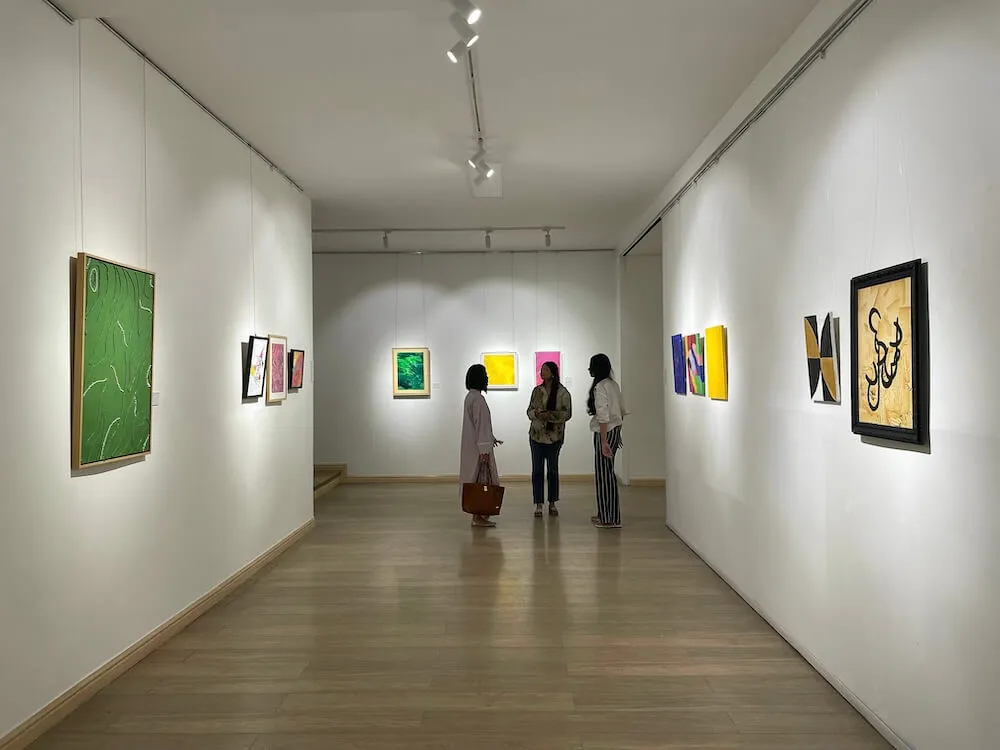
Organizing a successful exhibition requires meticulous planning, creativity, and execution. Whether it’s an art exhibition, trade show, or cultural event, certain elements are crucial for success. The key components include setting clear objectives, understanding your audience, designing an engaging space, and using effective marketing strategies. At Ejaz Art Gallery, we apply these principles to curate memorable exhibitions that engage visitors and showcase Pakistani art.
The foundation of any successful exhibition is defining clear objectives. These objectives should align with your overall goals, whether it’s lead generation, brand awareness, sales targets, or networking. By setting measurable goals, you can evaluate the success of the exhibition effectively.
In addition to objectives, a detailed budget is vital. Plan for all costs, such as booth design, staffing, logistics, and marketing. This financial planning ensures that the exhibition is organized without any last-minute surprises. Consider factors such as booth build, staff travel, event entry fees, and promotional expenses.
Audience research is crucial. Understanding who will attend and what they expect will shape the entire exhibition experience. Use insights from previous events, surveys, and social media data to tailor your exhibition effectively.
Once you’ve identified your audience, it’s time to design an interactive booth. Your booth should be visually appealing, on-brand, and designed for easy navigation. Ensure that visitors feel comfortable and engaged. Adding interactive elements such as augmented reality (AR), touchscreen displays, or live demonstrations encourages more participation and draws visitors into your booth.
Choosing the right venue for your exhibition plays a major role in its success. Factors like accessibility, size, ambiance, and the venue’s reputation should be considered. Ensure the venue aligns with the theme of your exhibition and that it can accommodate your expected audience size.
The layout of your booth or exhibition space is key to its success. Make sure the design promotes visitor interaction while maintaining a smooth flow of traffic. An open layout ensures that visitors can easily navigate the space without feeling overwhelmed. Consider factors like signage, lighting, and placement of exhibits to make your booth stand out.
Engagement is the secret to a successful exhibition. Interactive elements such as product demos, live art shows, workshops, and contests can significantly increase foot traffic to your booth. These features allow attendees to actively participate, rather than passively observe.
Promoting your exhibition before, during, and after the event is crucial for its success. Pre-event marketing should build excitement and drive attendees to your booth. Utilize social media, email campaigns, influencer collaborations, and press releases to spread the word. Make sure your promotional materials highlight the key features of your exhibition and provide all necessary event details.
During the event, use effective signage and branding to ensure that your booth stands out. Ensure that your branding is visible and consistent across all materials, including posters, flyers, and digital displays.
Your team is the face of your exhibition. It’s essential to ensure they are well-trained and knowledgeable about the products or services you’re showcasing. They should be approachable, professional, and able to engage effectively with visitors.
During the exhibition, it’s important to monitor key performance indicators such as foot traffic, engagement levels, and lead generation. Use real-time data to make any necessary adjustments to your approach. Post-event, evaluate the event’s success by comparing the results with your original objectives.
Measuring the ROI (Return on Investment) allows you to gauge how well your exhibition met your business goals. Did you generate enough leads? Was your brand visibility enhanced? Did you achieve your sales targets? These insights will guide your strategy for future exhibitions.
The exhibition is over, but your work isn’t done yet. Post-event follow-up is essential to convert leads into customers and build long-term relationships. Follow up with attendees promptly, thank them for visiting, and provide additional resources or offers. This stage can help you turn leads into loyal clients.
A successful exhibition is the result of careful planning, understanding your audience, and executing strategies that align with your objectives. By focusing on the key elements—clear objectives, booth design, marketing strategies, and post-event follow-up—you can create an exhibition that not only meets but exceeds expectations. Whether you’re hosting an art exhibition or a trade show, these elements will help you achieve a memorable and impactful event.
The key components include clear objectives, audience understanding, booth design, interactive elements, effective marketing, and post-event follow-up.
Planning involves setting clear goals, understanding your target audience, designing an engaging space, and implementing effective marketing strategies.
Interactive elements, professional design, strategic marketing, and knowledgeable staff all contribute to creating a memorable exhibition experience.
Consider location, size, facilities, accessibility, and ambiance to ensure the venue aligns with your exhibition’s goals and target audience.
Use social media promotion, email campaigns, influencer collaborations, and strong signage during the event to maximize visibility and engagement.
Art has the power to transcend boundaries, to take us on journeys beyond the realms