As an artist, your work is not just an expression of creativity — it’s also your intellectual property. In today’s digital world, artworks can easily be copied, misused, or sold without permission, making copyright protection more important than ever. Whether you create traditional paintings, digital art, or NFTs, safeguarding your rights ensures both recognition and financial security.
Copyright is a legal right that protects original creative works, including paintings, drawings, digital illustrations, and sculptures. It gives the artist:
Without proper copyright safeguards, artists risk:
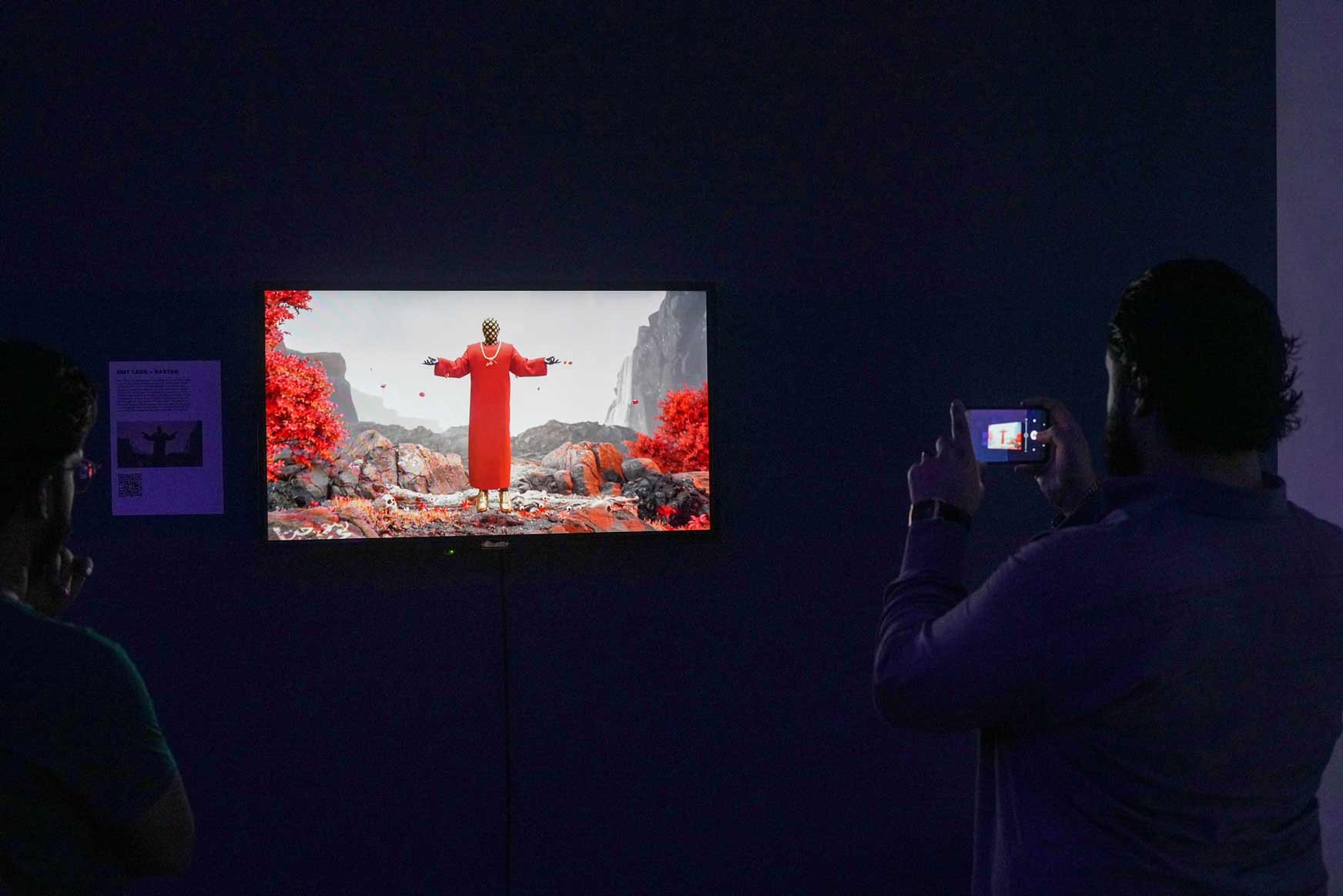
At Ejaz Art Gallery, we strongly emphasize the importance of protecting creative works. As a platform showcasing contemporary and traditional art, we believe safeguarding intellectual property not only secures the artist’s rights but also preserves the cultural and financial value of paintings for future generations. The NFT +92 exhibition, curated at Ejaz Art Gallery, demonstrated how creative works can be protected and authenticated through blockchain technology.
Maintain documentation such as:
For online artworks, add invisible or visible watermarks. This discourages theft and proves authorship.
Modern artists can protect digital creations using NFTs (Non-Fungible Tokens) on blockchain, ensuring verifiable ownership.
Consider Creative Commons or custom licensing agreements to control how others can use your work legally.
Whenever you showcase art online or in galleries, include:
Example: © 2025 John Doe – All Rights Reserved
If your art is misused, consult an intellectual property lawyer. Sending a cease-and-desist letter can stop infringement quickly.
1. Do I need to register my artwork for copyright protection?
Not always. Copyright exists automatically when you create original work, but registration strengthens your legal claim.
2. How long does copyright last for artworks?
In most countries, copyright lasts for the artist’s lifetime plus 70 years.
3. Can I copyright digital art or NFTs?
Yes. Both digital art and NFTs fall under copyright protection as original creative works.
4. What should I do if someone steals my art?
Document the infringement, gather evidence, and contact a copyright lawyer to take legal action.
Protecting your artwork from copyright issues is crucial for preserving creativity, financial value, and artistic reputation. Whether through legal registration, digital watermarks, or blockchain technology, artists today have powerful tools to safeguard their work. By being proactive, you ensure that your art remains yours — both legally and creatively.
Pakistani art has always been a mirror of the nation’s vibrant culture, rich traditions, and
Owning artwork is a joy, but keeping it clean and preserved can be a challenge.

Contemporary art has always been more than just a visual experience — it is a