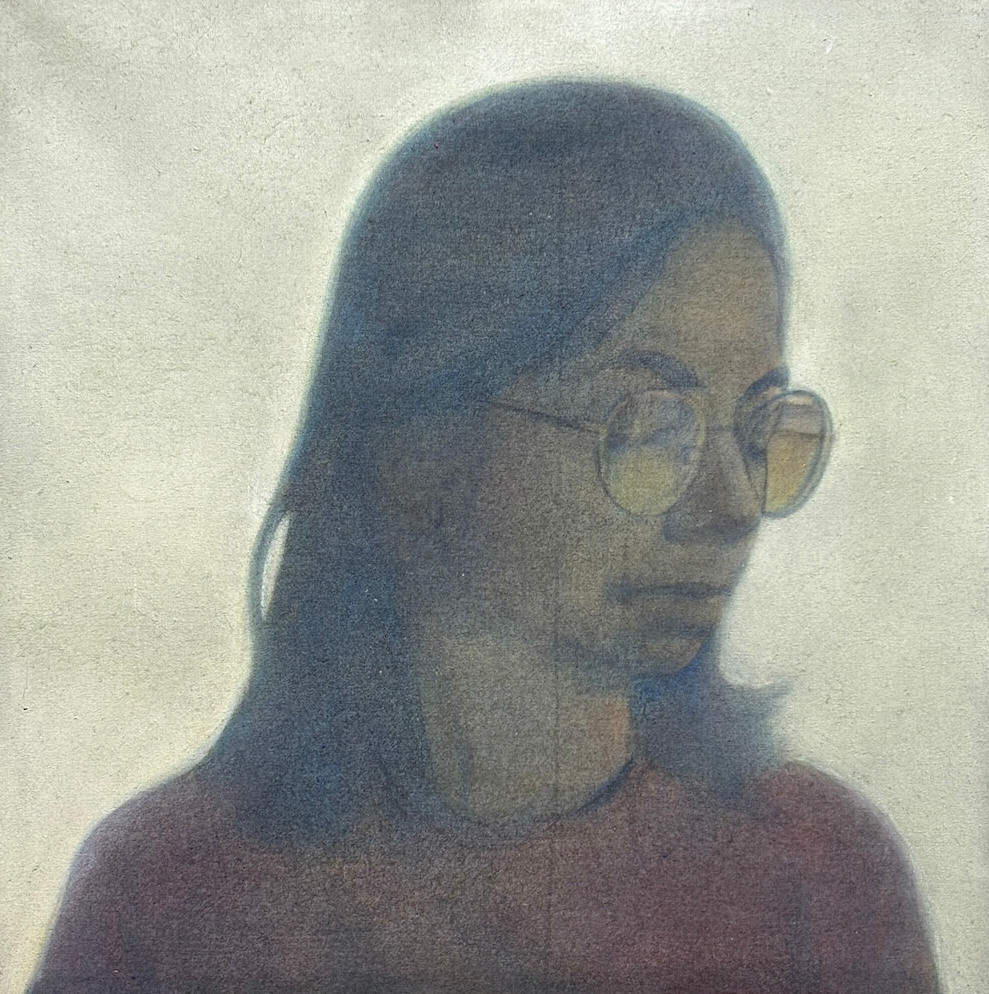
How to Properly Clean a Painting Without Damaging It

Owning artwork is a joy, but keeping it clean and preserved can be a challenge. Many people make the mistake of using harsh cleaners or improper methods, which can cause permanent damage. At Ejaz Art Gallery, we often guide collectors on the safest ways to care for their paintings so they can last for generations. If you’ve ever wondered how to properly clean a painting without damaging it, this guide is for you.

Why Proper Cleaning Matters

  • Paintings are delicate and vulnerable to dust, moisture, and pollution.
  • Incorrect cleaning can cause fading, discoloration, or cracks.
  • Regular, careful maintenance enhances both the artwork’s beauty and longevity.

Step-by-Step Guide to Safely Clean a Painting

1. Dust Regularly with a Soft Brush

  • Use a clean, natural-hair brush (like sable or goat hair).
  • Gently sweep across the surface to remove loose dust.
  • Avoid pressing hard, as even soft bristles can scratch paint layers.

2. Use a Microfiber Cloth for the Frame

  • Keep the cloth slightly dry or barely damp.
  • Clean the frame only, not the painted surface.
  • Frames collect more dirt than the artwork itself.

3. Never Use Household Cleaners

  • Avoid sprays, soaps, or polishes.
  • Chemicals can react with oil, acrylic, or varnish layers and cause irreparable damage.

4. Handle with Clean, Dry Hands

  • Oils and sweat from fingers can leave stains.
  • Use cotton gloves when handling valuable or older paintings.

5. Check for Signs of Damage

  • Look for cracks, discoloration, or mold spots.
  • If you notice issues, consult a professional conservator rather than attempting deep cleaning yourself.

6. Store & Display Correctly

  • Keep away from direct sunlight to prevent fading.
  • Maintain humidity levels between 40–60% to protect paint layers.
  • Use UV-protected glass if framing.

FAQs

Q1: Can I use water to clean a painting?
A: No. Water can dissolve or stain paint layers, especially in acrylics or watercolors. Stick to dry cleaning methods.

Q2: How do professionals clean old paintings?
A: Art conservators use specialized solvents and varnish removal techniques that are safe for historic works.

Q3: Is it safe to use a vacuum cleaner with a brush attachment?
A: No, the suction and bristles can damage delicate paint. Always use a soft brush by hand.

Q4: How often should I clean a painting?
A: Light dusting every few weeks is enough. Deep cleaning should be left to experts when necessary.

Conclusion

Cleaning a painting requires patience and care. By dusting gently, avoiding harsh chemicals, and storing art in the right conditions, you can preserve its original beauty for decades. At Ejaz Art Gallery, we always emphasize that proper maintenance is just as important as the initial purchase — because art deserves to be cherished and protected.

Share the Post:

Related Posts

February 20, 2024

How to Stand Out at an Art Fair: 10 Do’s and Don’ts

Art fairs are bustling hubs of creativity, where artists and art enthusiasts converge to celebrate
February 13, 2024

Why are Paintings Expensive and always in Demand?

In a world where digital art and multimedia installations are gaining traction, the allure of

February 13, 2024

10 Most Expensive Paintings Ever Sold at Auction

Art, in its myriad forms, has long been a cornerstone of human expression, capturing moments,