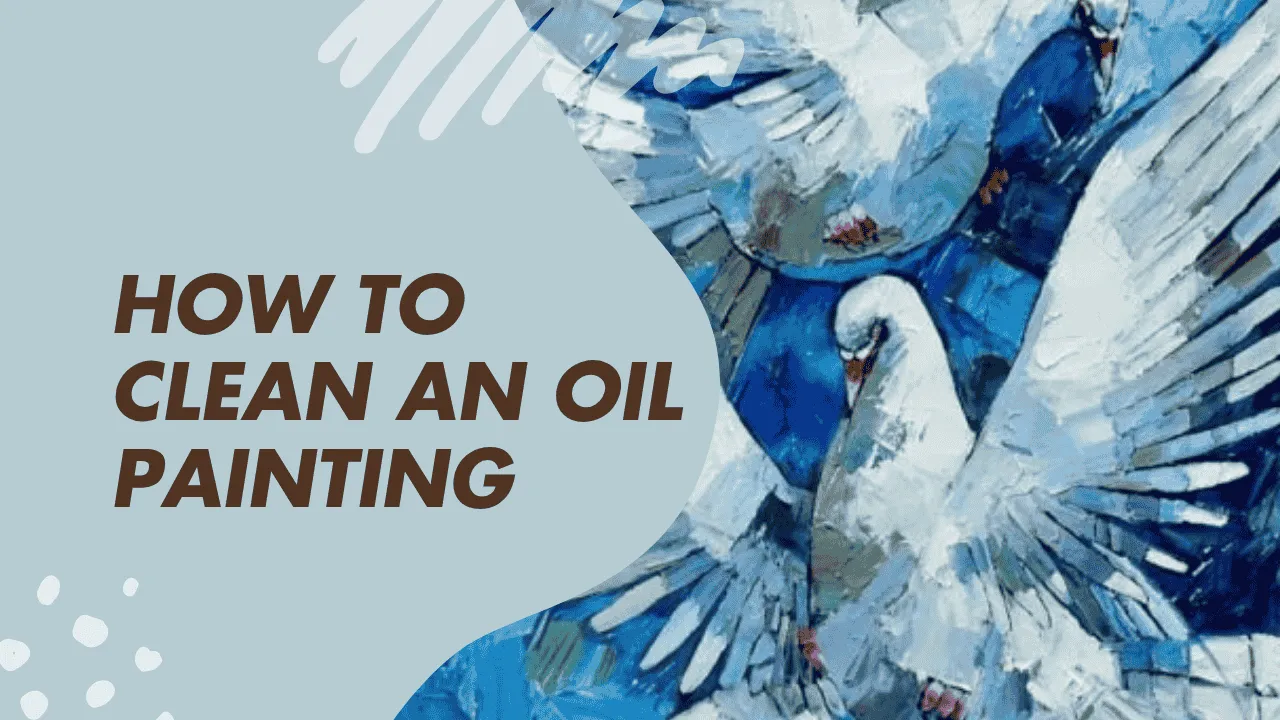
How to Clean an Oil Painting

How to Clean an Oil Painting

Household cleaners can strip varnish, smear grime, or lift pigment. This guide shows what’s actually safe at home—and when to leave it to a conservator. Tips are tuned for Pakistani homes (humidity, dust, bright rooms).


1) Quick health check (before you touch it)

  • Flaking or lifting paint? Stop—professional only.
  • Heavy yellow gloss? Likely aged varnish—don’t try to dissolve it.
  • Grease, smoke, kitchen film? DIY solvents can push it into the paint layer.
  • Moldy smell or fuzzy spots? That’s a humidity issue—needs conservation.

If you own works from an oil on canvas collection, follow the dust-only routine below; anything more stubborn needs a pro.


2) The safe, dust-only routine (home method)

  1. Lay flat on a clean, padded table (face up).
  2. Use a soft, clean brush (goat/sable) or a brand-new microfiber cloth.
  3. Light, single-direction strokes, lifting dust away—no circular rubbing.
  4. Support the edges; dust frame and back gently.
  5. Return to a stable wall with airflow; avoid direct sun or AC blasts.

Never use: water, soap, glass cleaner, vinegar, alcohol, baby wipes, oils/polishes, bread, erasers, or “magic” sponges. These can streak, swell canvas, or soften varnish/pigment.


3) When to call a conservator (don’t risk it)

  • Sticky film that won’t shift with dusting
  • Nicotine/soot/grease deposits
  • Yellowed varnish you want removed (requires tested solvent gels)
  • Mold, warping, punctures, canvas sagging, active cracking/flaking

For yellowed varnish removal, re-stretching, or mold treatment, book a short conservation review at Ejaz Art Gallery in Lahore.


4) Prevent future build-up (simple habits)

  • Placement: away from kitchens, incense, and direct AC blasts.
  • Light: use high-CRI LED at a safe distance; avoid direct sun.
  • Humidity: steady ventilation during monsoon months; avoid damp walls.
  • Annual check: quick dust + look for sagging, cracks, or loose keys.


5) Display & lighting notes (for oils)

  • Oils with impasto look best with gentle raking light; avoid harsh hotspots.
  • Under glass, anti-reflective (AR) glazing plus the 30° angle minimizes glare.
  • Keep luminaires 15–30 cm from the surface; heat and UV accelerate aging.


FAQs (people also ask)

What is the safest way to clean an oil painting?
A dry dust-only method with a soft brush or new microfiber. Anything beyond surface dust → conservator.

Can I use water or glass cleaner?
No. Moisture and household surfactants can soften varnish and leave tide marks.

Are LEDs safe for oil paintings?
Yes—use high-CRI, low-UV/IR LEDs and keep a safe distance.

How often should I clean?
Light dusting every few months; schedule a professional look if you see film, yellowed varnish, or mold.

Can I remove yellowed varnish myself?
No—varnish removal needs tested solvents and experience to avoid lifting paint.
Share the Post:

Related Posts

Gallery Wooden Frame

October 30, 2025

What Are the Key Elements of a Successful Exhibition?

Organizing a successful exhibition requires meticulous planning, creativity, and execution. Whether it’s an art exhibition,
Avoid Brush Strokes When Painting

October 9, 2025

How to Avoid Brush Strokes When Painting

If you’ve ever finished a painting only to notice unwanted brush marks ruining the smooth

ejaz art gallery plays important role in art culture of pakistan

October 4, 2025

What Role Does Ejaz Art Gallery Play in Promoting Pakistani Art?

Pakistani art has always been a mirror of the nation’s vibrant culture, rich traditions, and